Art Deco Silverplate 4 Piece Tea & Coffee Service
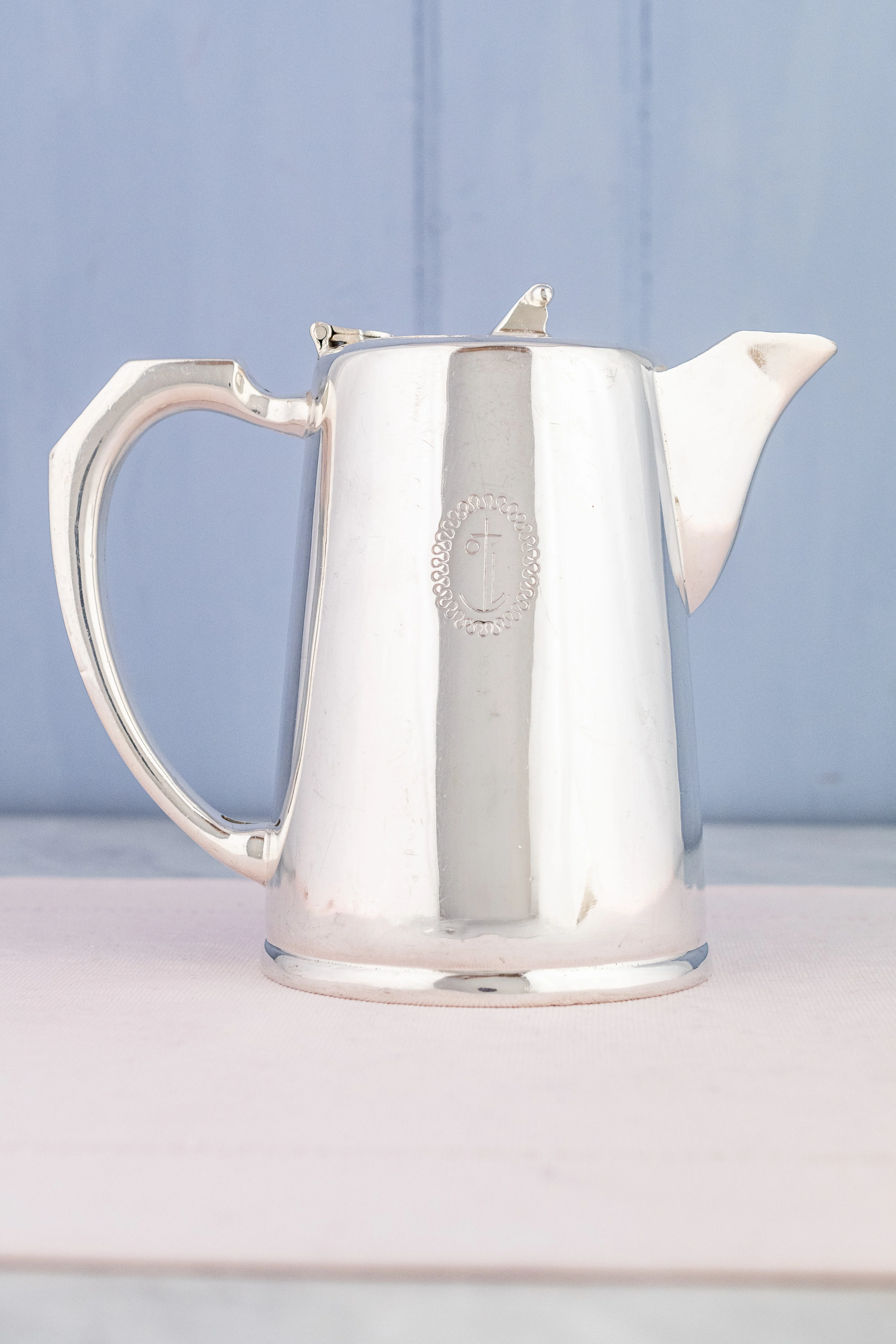
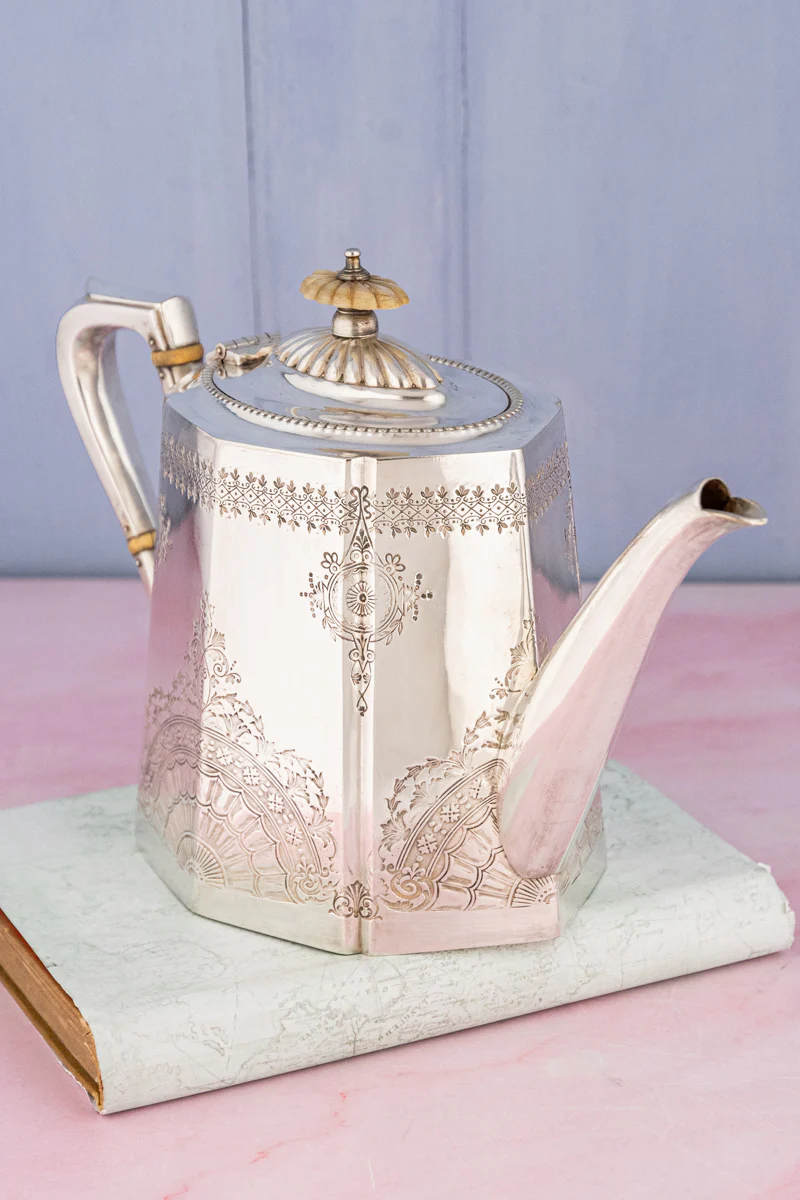
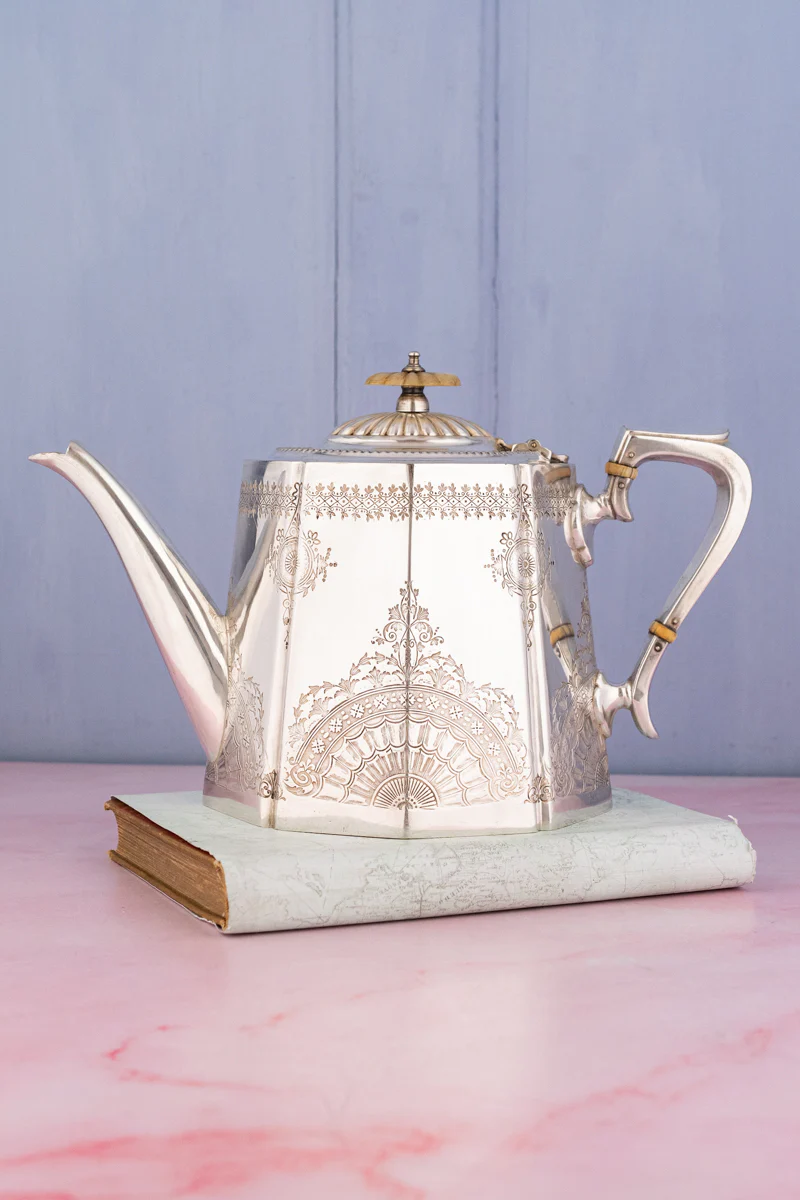
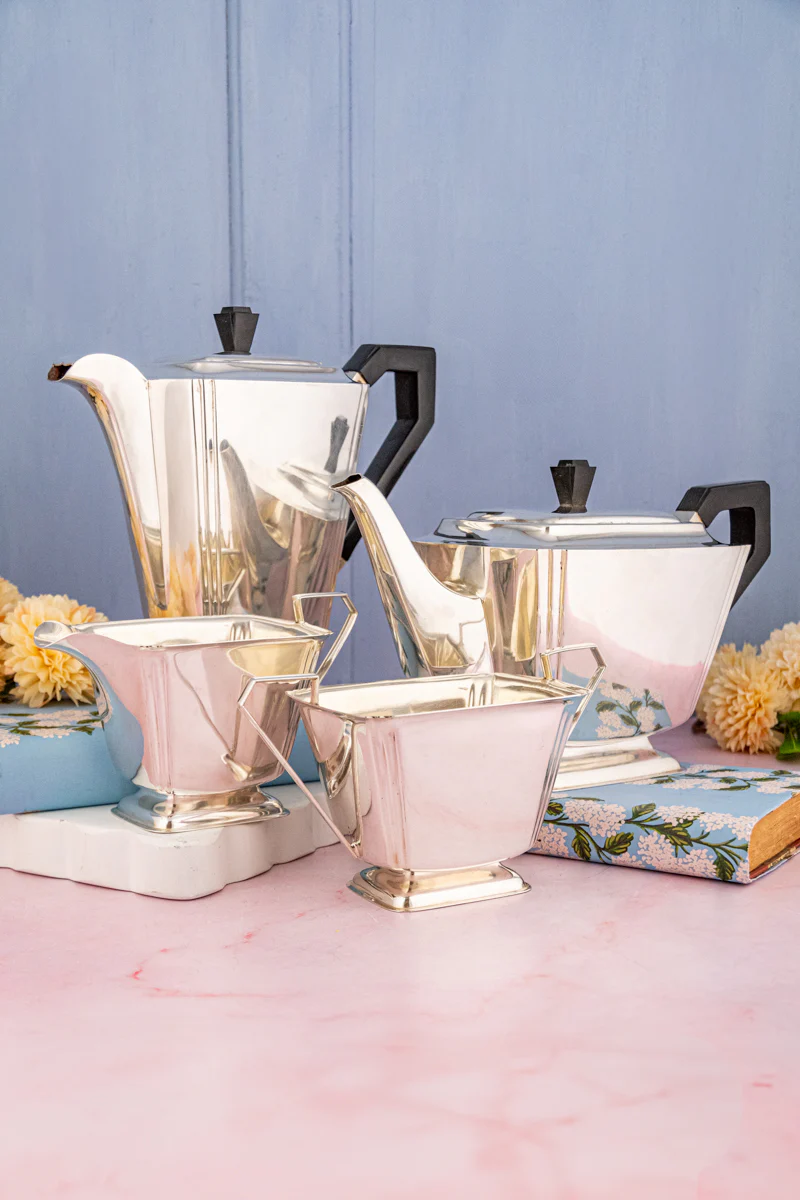
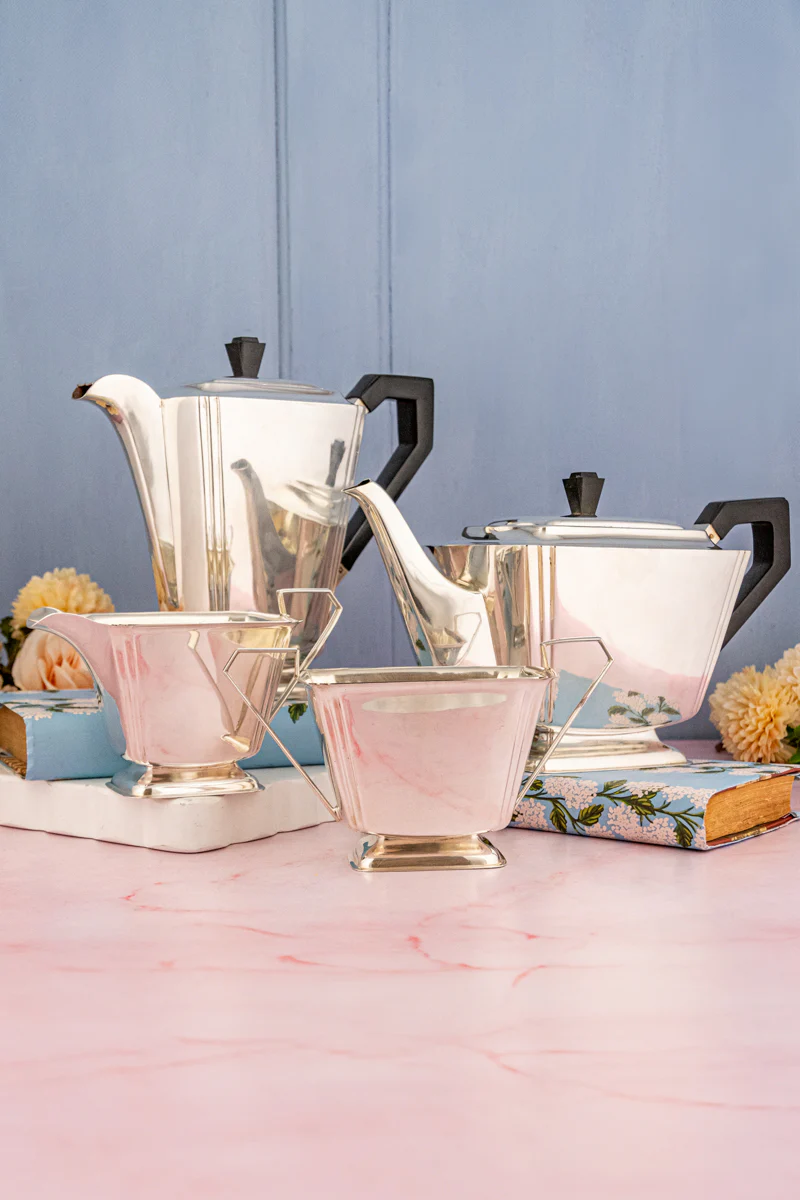
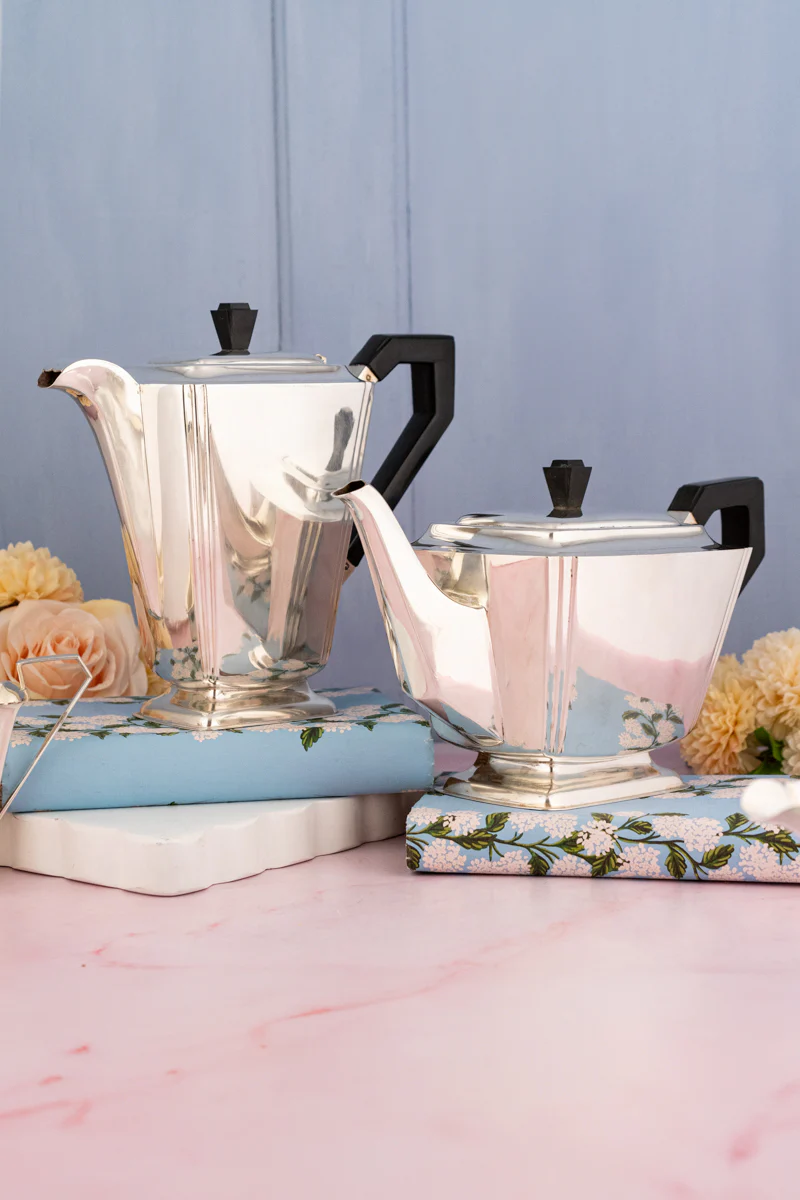
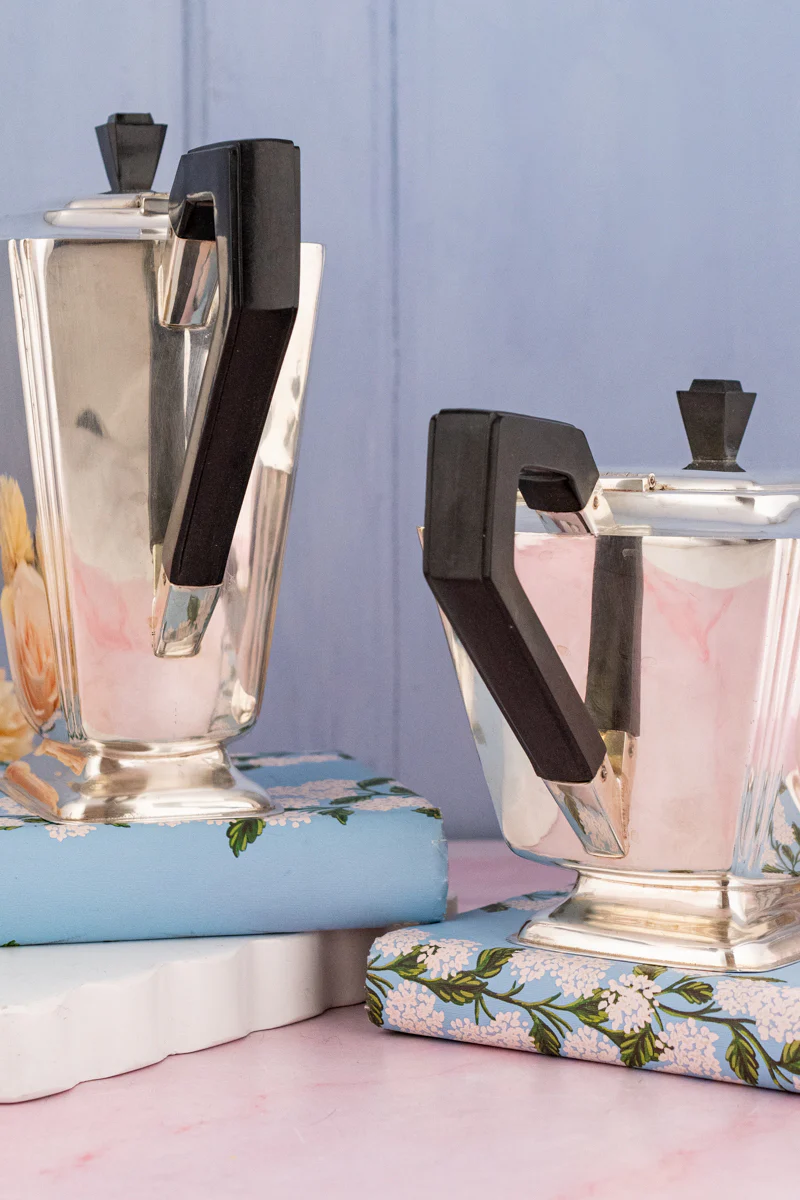
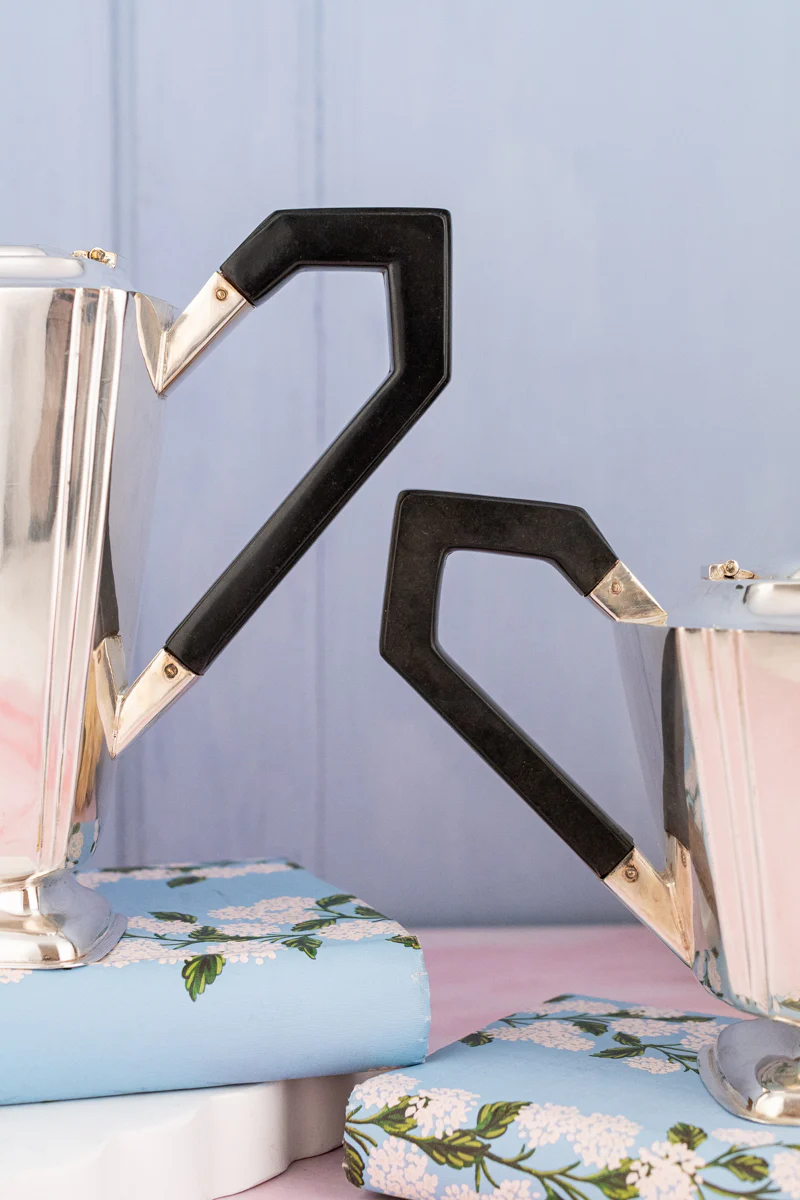
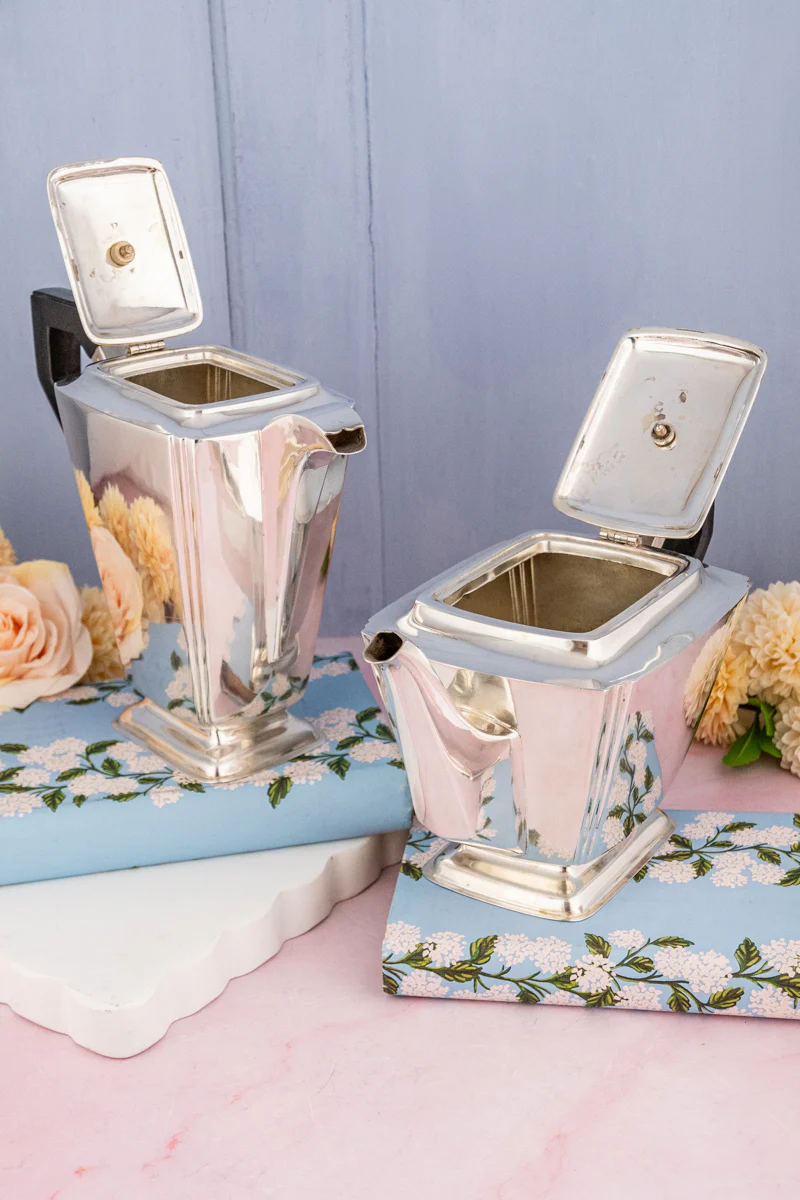
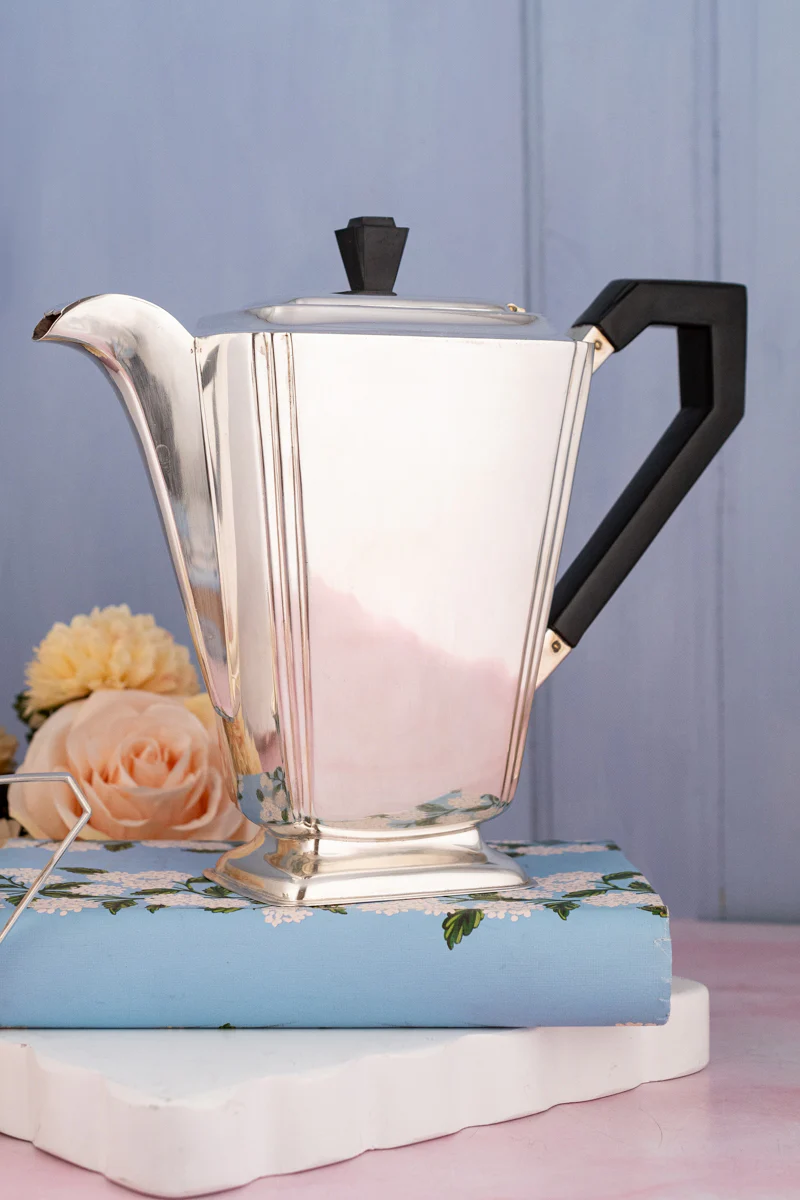
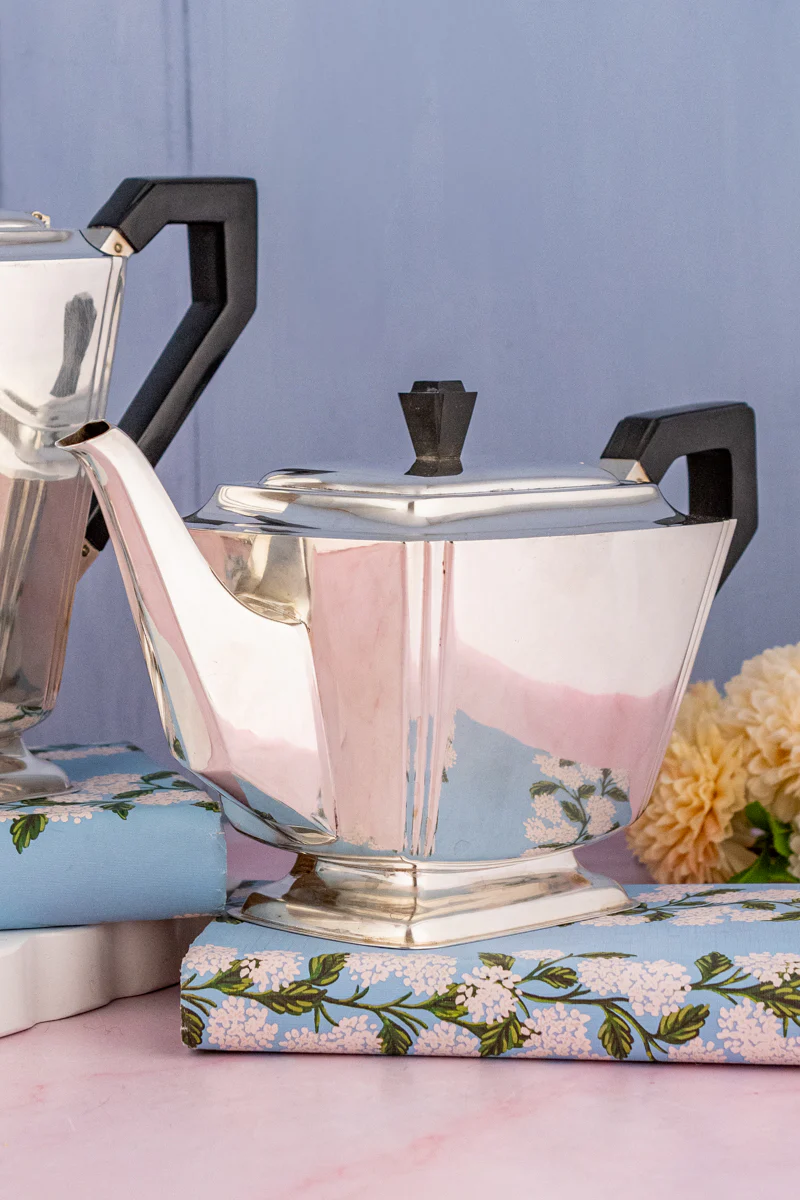
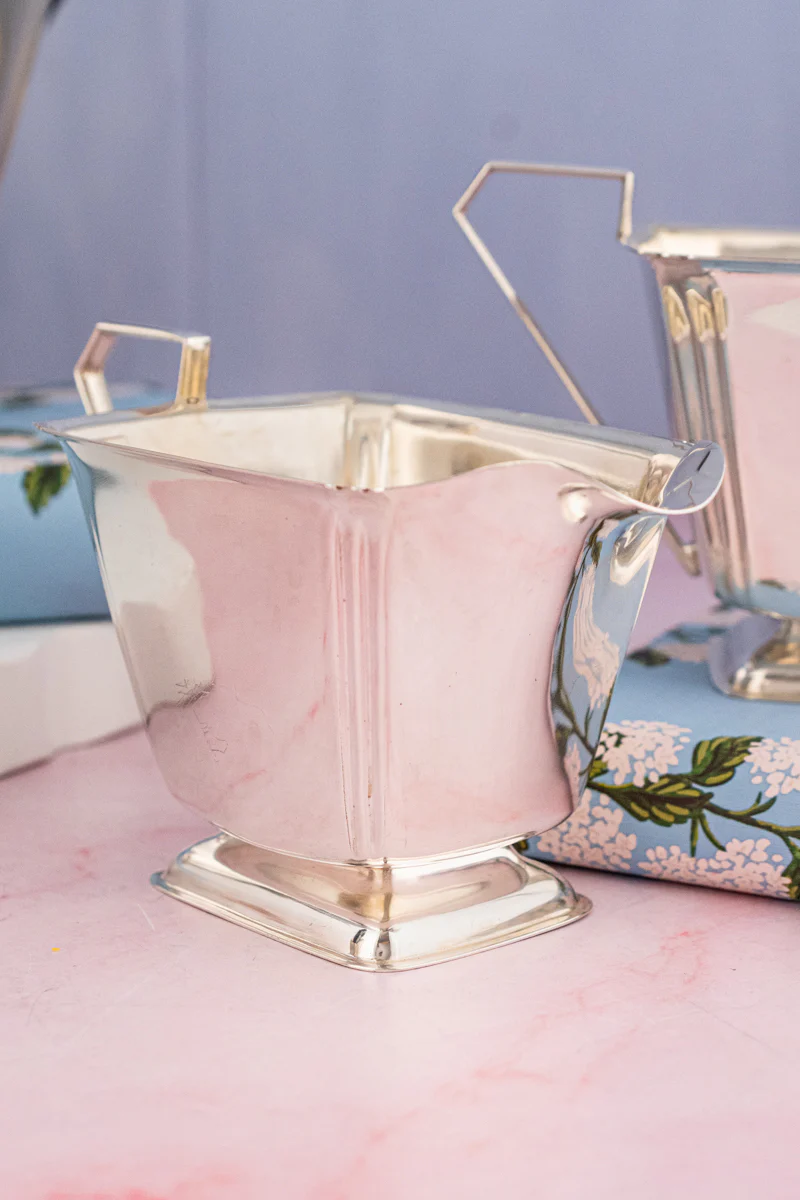
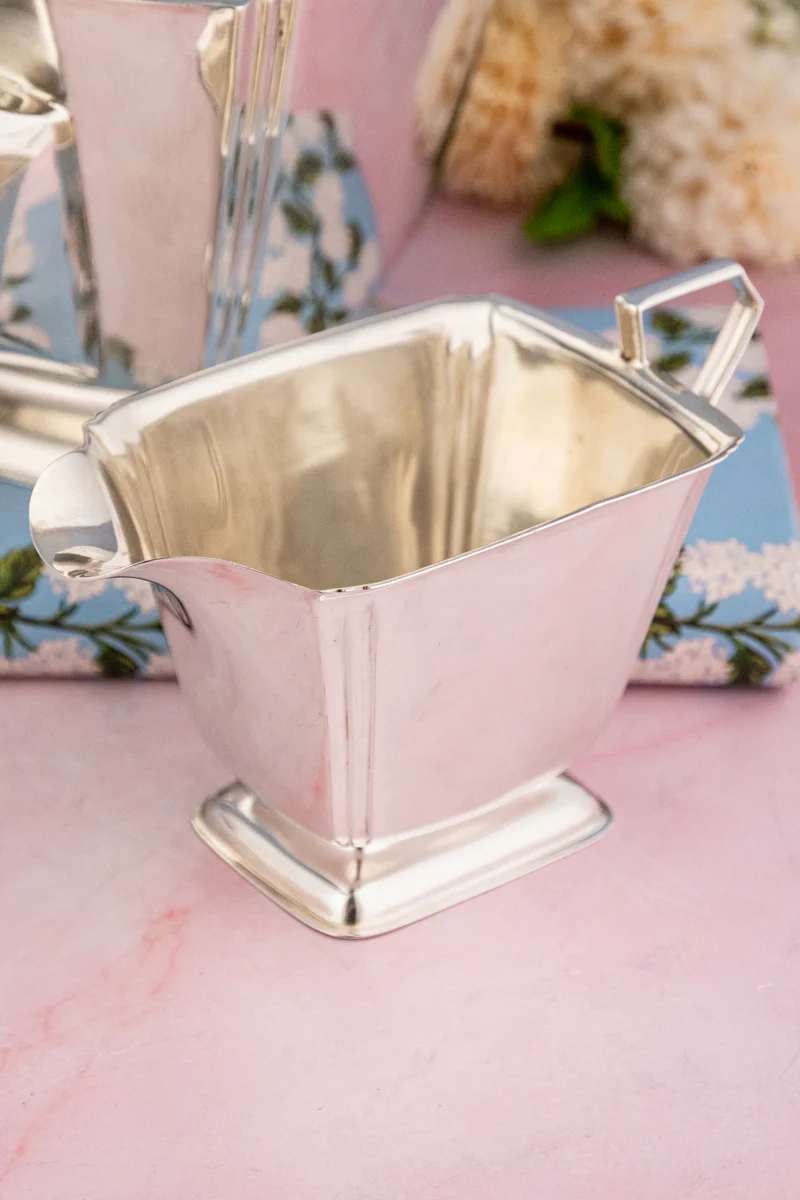
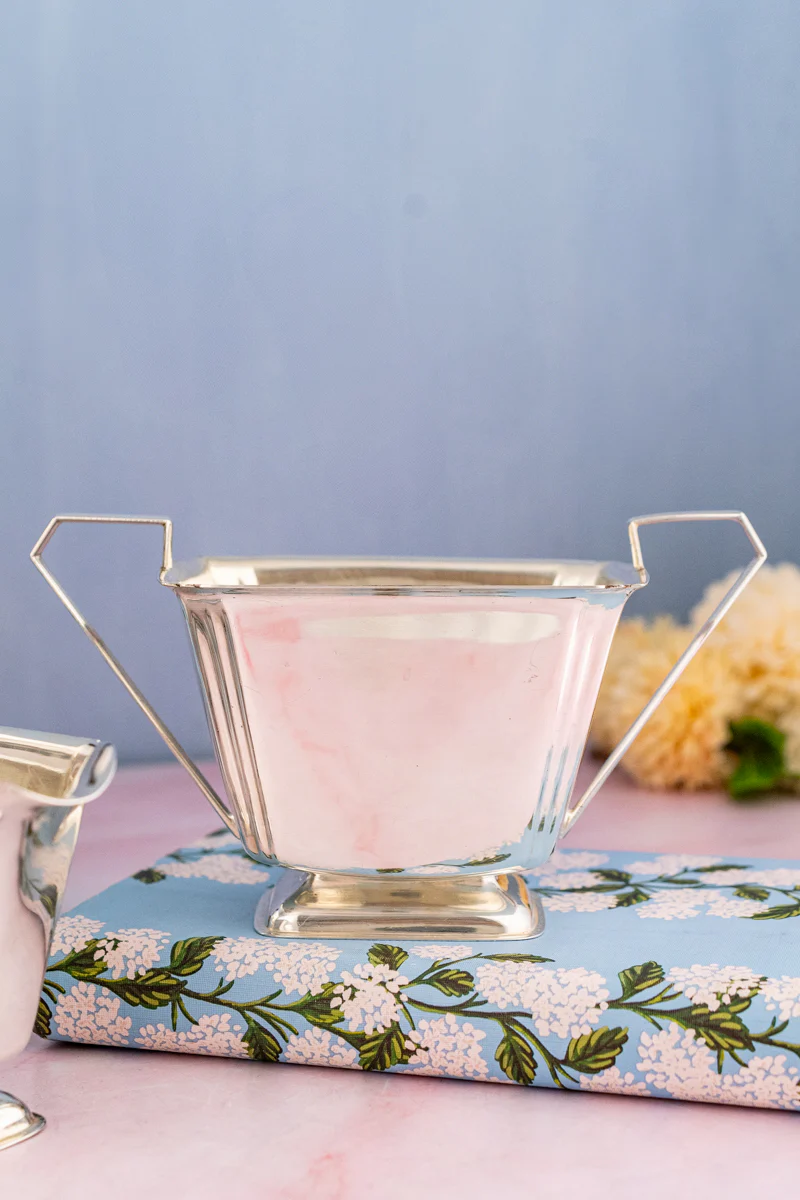
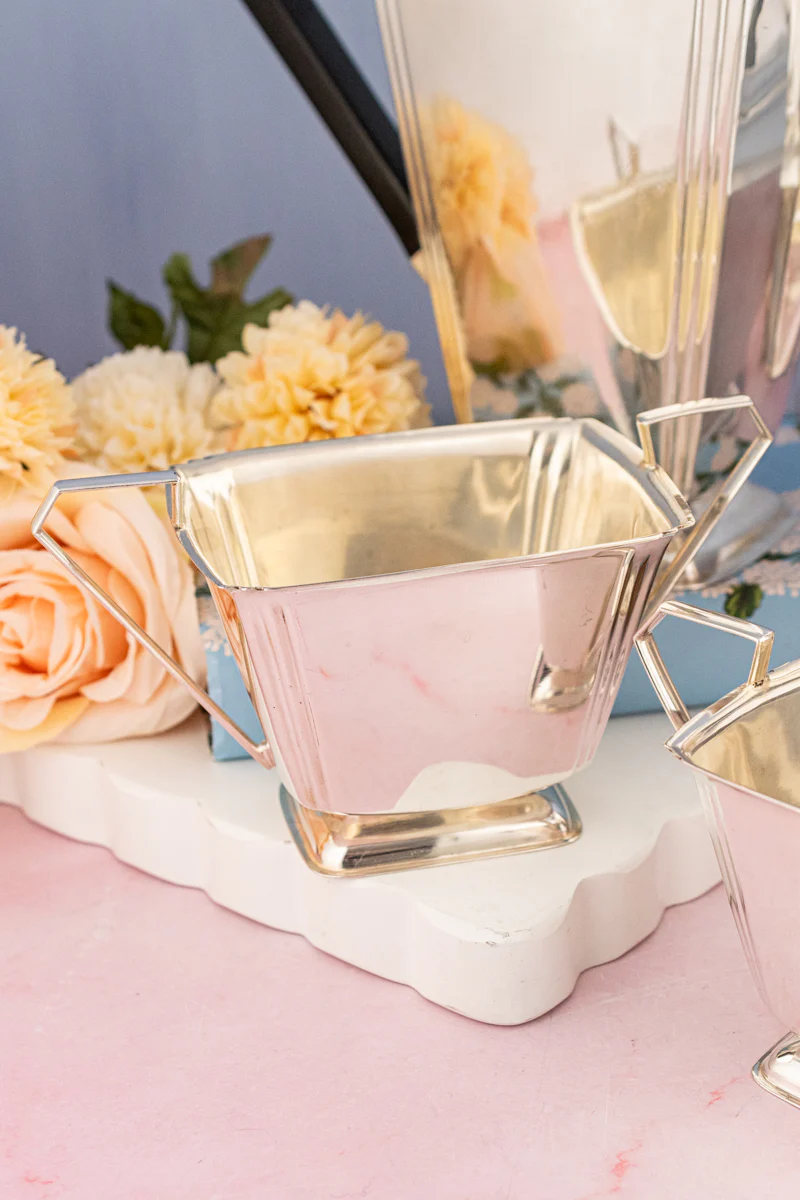
Produced with a keen eye for the bold, angular silhouettes of the Art Deco period, this elegant Art Deco Silverplate Tea & Coffee Service from the markets of England is a neatly tailored example of dressing your table for the occasion.
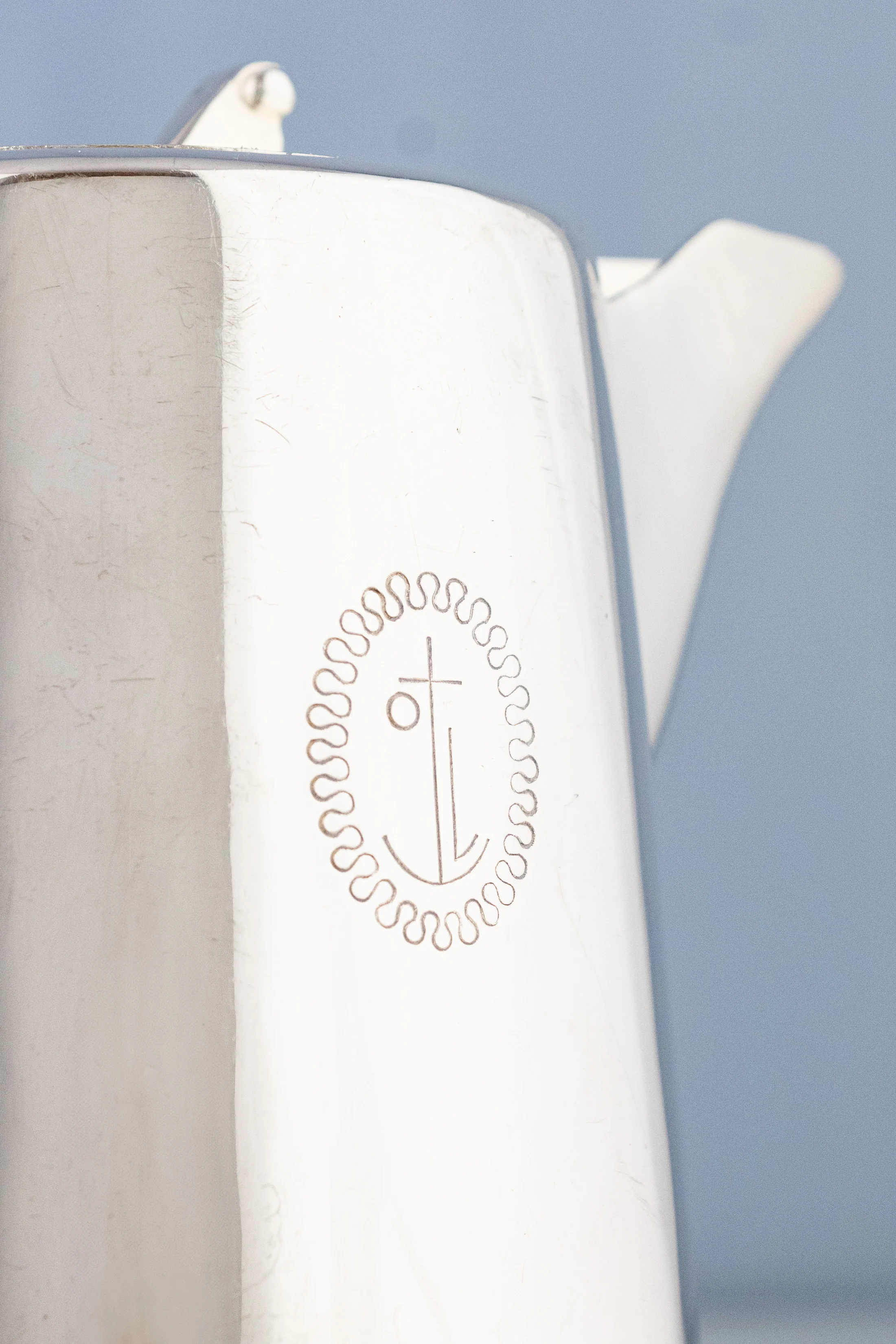
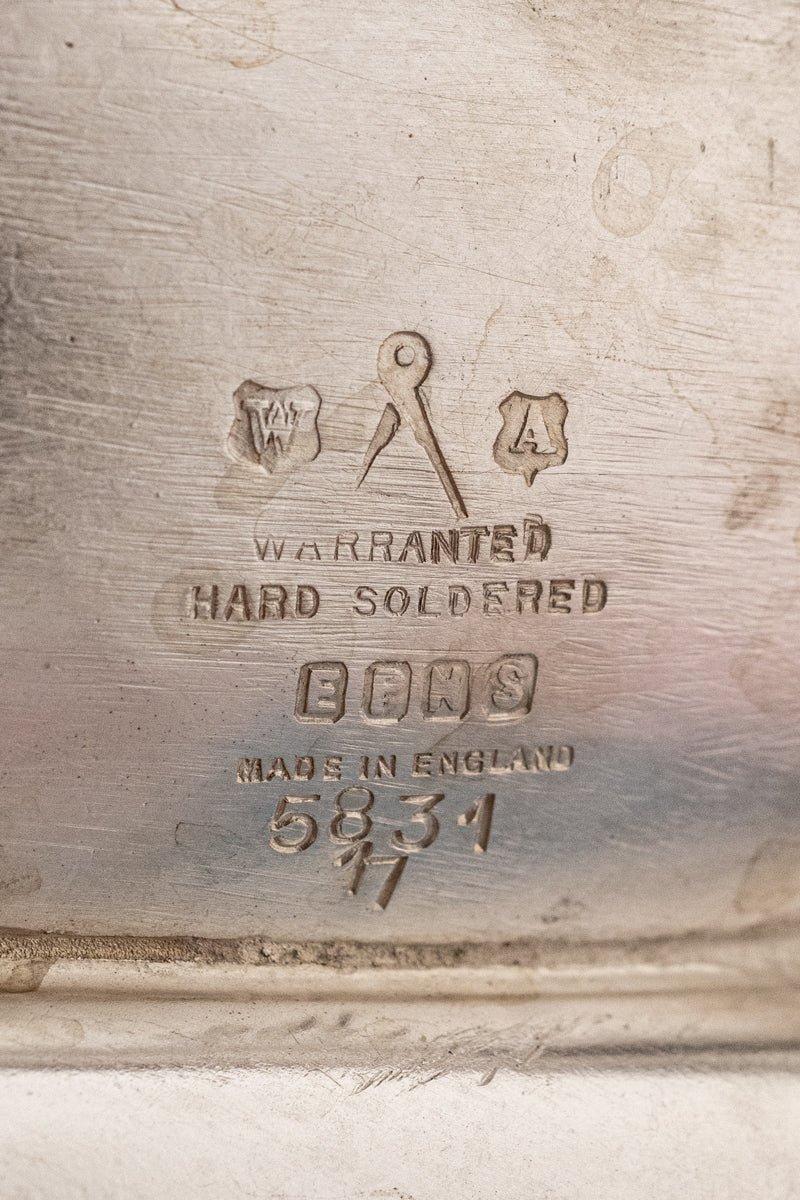
The handsome 4-piece service includes a teapot and coffeepot, along with a matching milk jug and sugar bowl. The service was produced by William Adams Inc., a firm founded in 1879 and known for creating finely crafted silverware from their workshops in Birmingham and New York. Though little is known of the company’s history before it was purchased in 1932 by Harry Jenkins & Sons, the enduring presence of their silver pieces remains a testament to their craftsmanship and quality.
Ready for any occasion, this shining set complements traditional as well as even the most contemporary table settings. A thoughtful and lasting gift, it promises to serve every guest in smart style for generations to come.
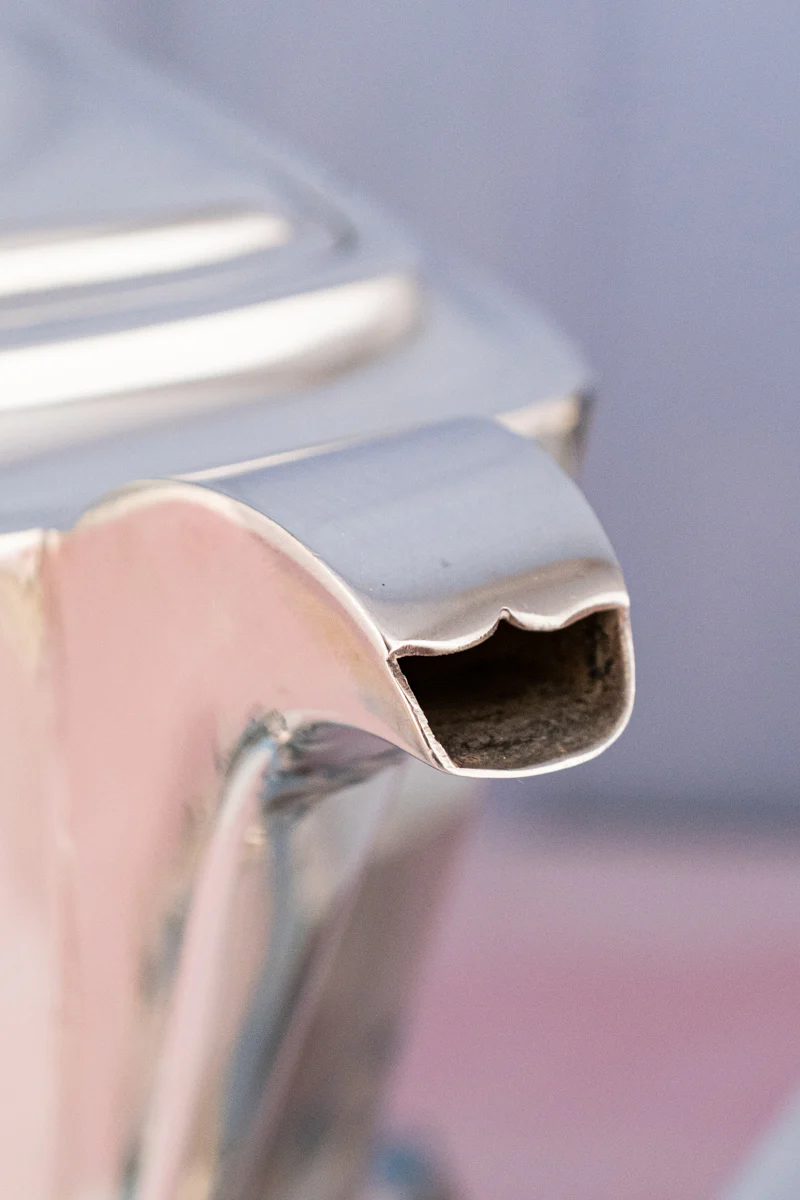
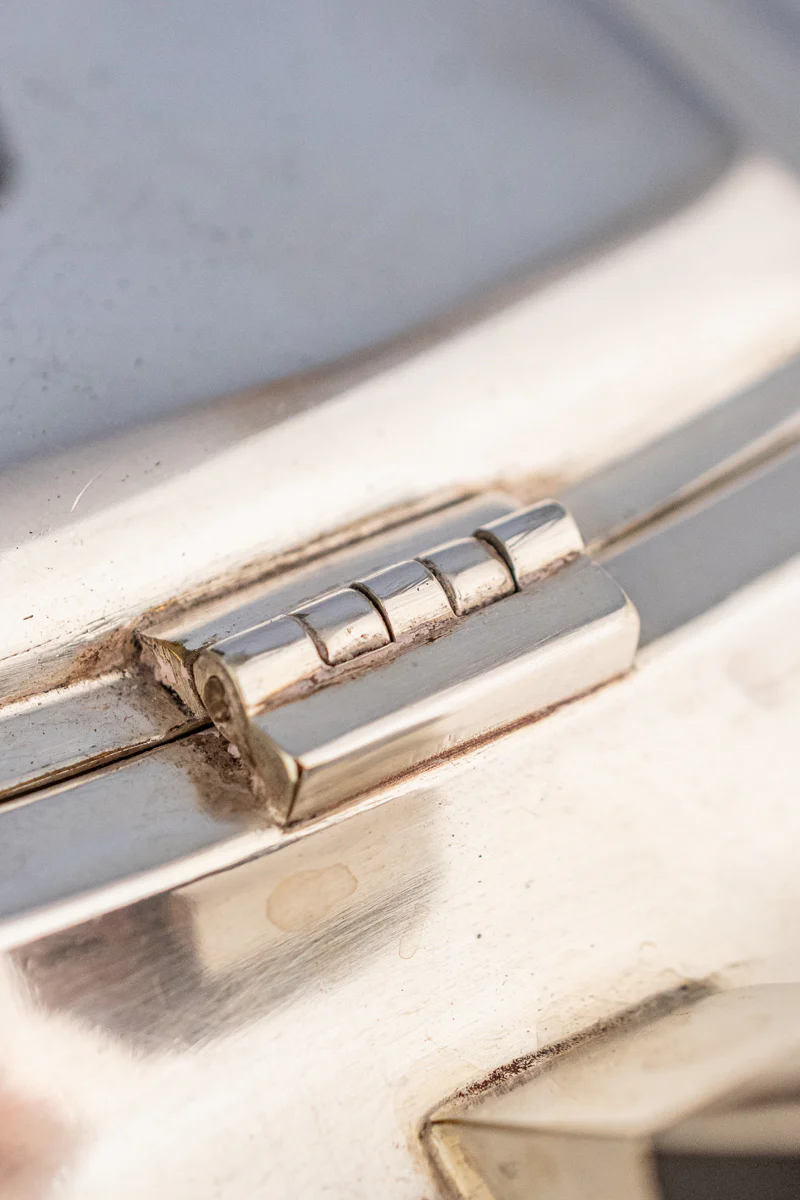
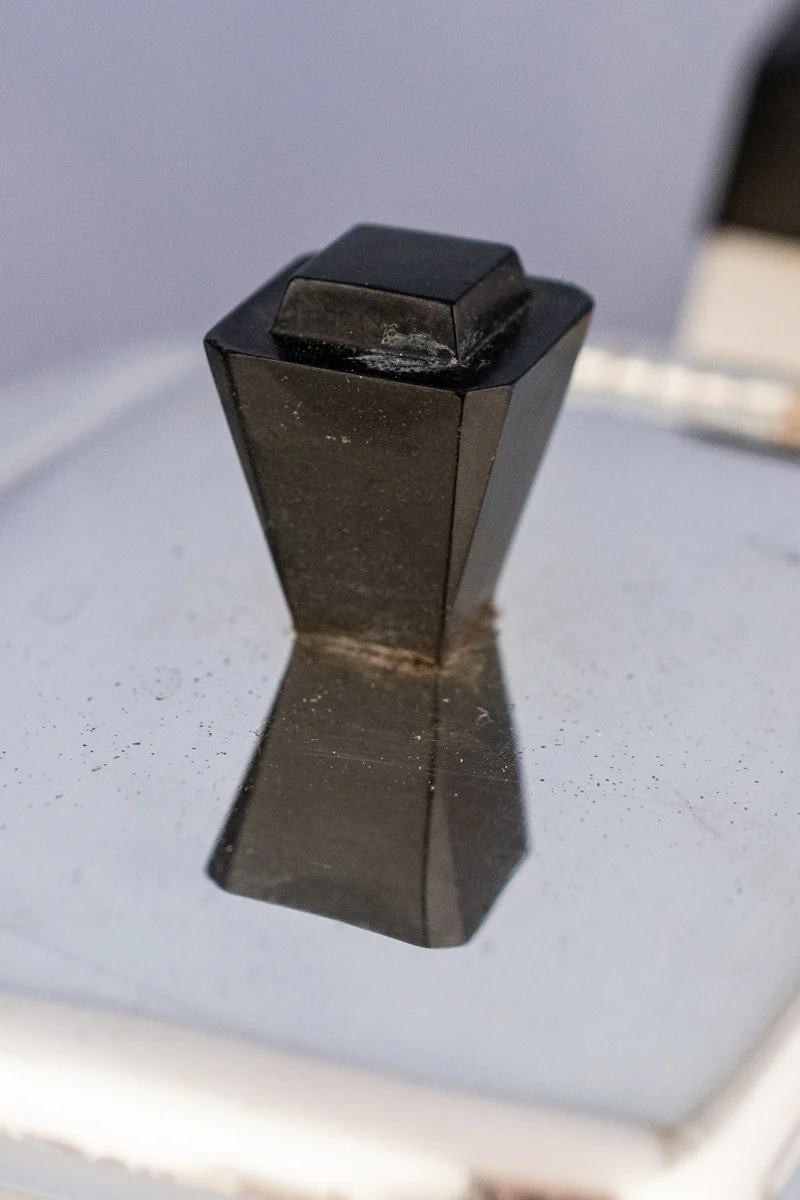
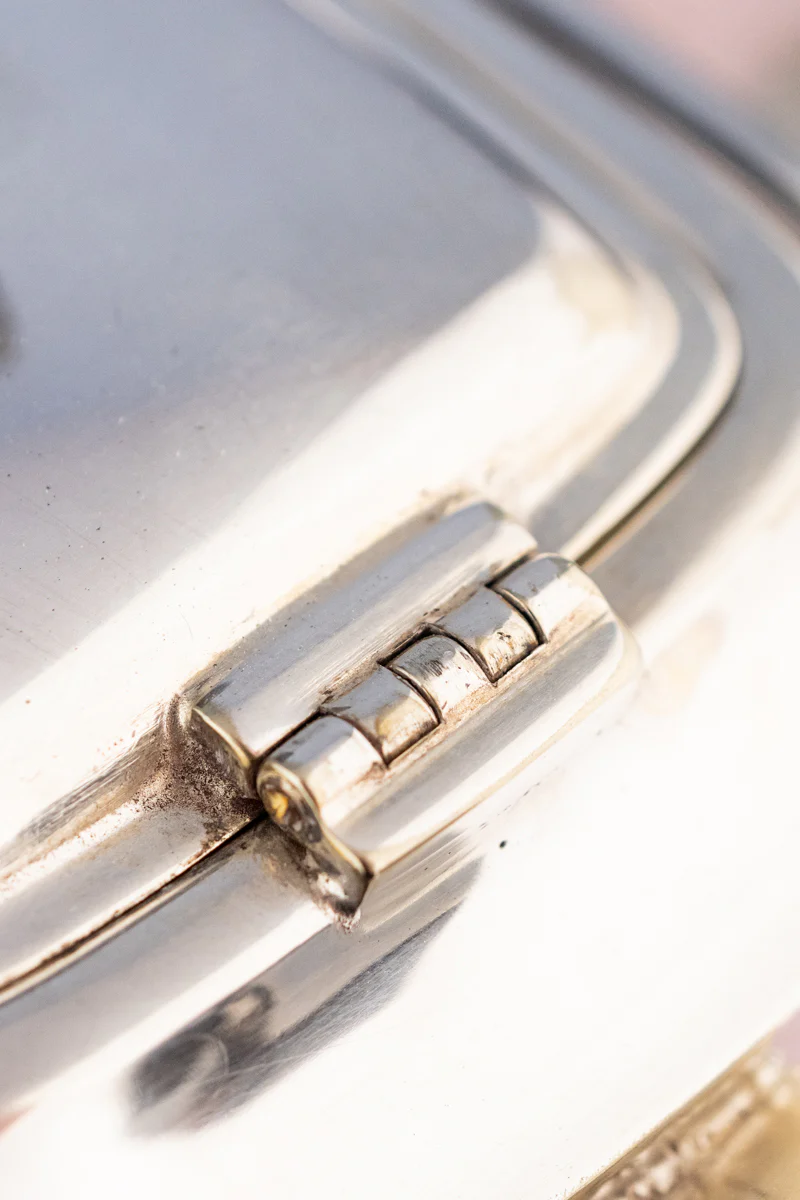
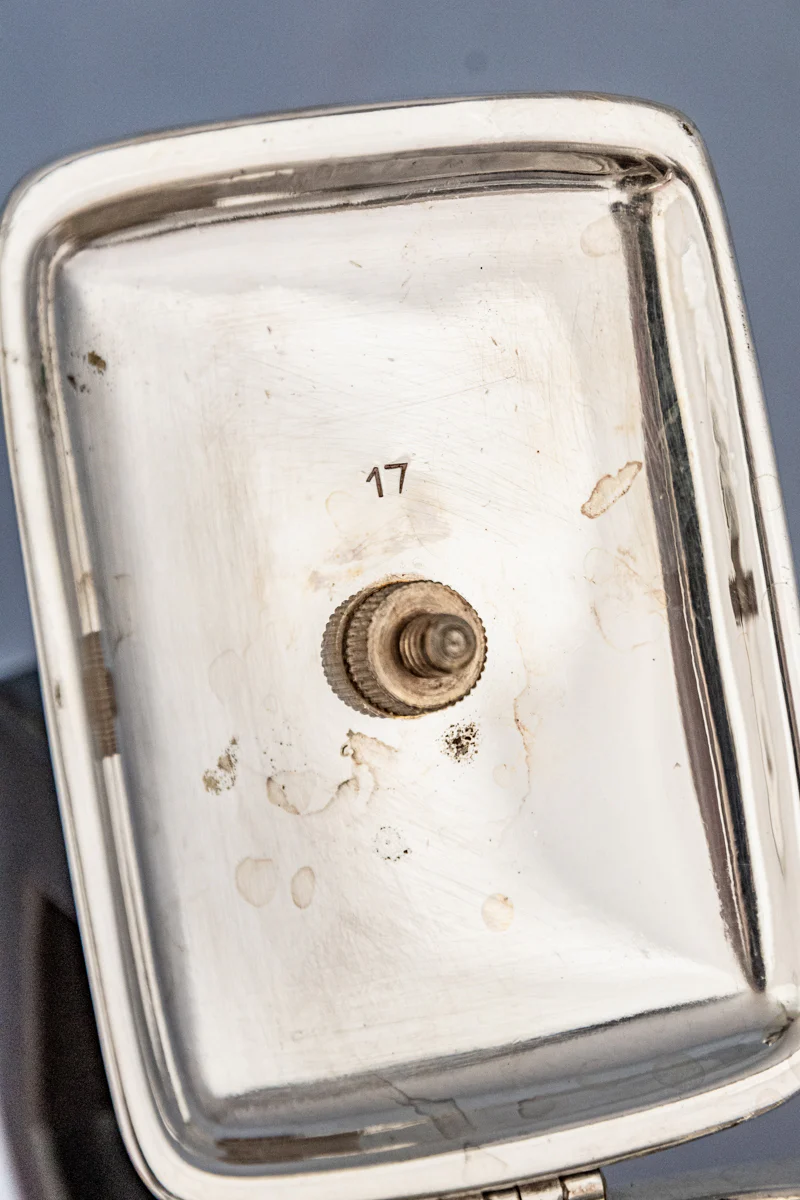
Strictly one-of-a-kind and subject to prior sale. In very good vintage condition. Circa 1920s. Coffee pot: 8"H x 9"D x 4"W. Teapot: 6"H x 11"D x 5"W. Creamer: 6.25"D x 4"H. Sugar: 6.75"D x 4"H
Learn More About Art Deco Design
Art Deco first appeared in France in the 1920s and takes its name from the 1925 ‘Exposition Internationale des Arts Décoratifs et Industriels Modernes’. Deco was a very popular international design movement that was accepted the world over and spans the period from 1925 until the 1940s. Encompassing all arts and crafts disciplines, the Art Deco style could be found in fine art as well as interior design, furniture, fashion, jewellery, textiles and architecture.
Art Deco was inspired by the advances in modern technology of the 1920s, which can be seen in the smooth lines, geometric shapes and streamlines forms that are characteristic of the movement. The style is typically elegant, glamorous and functional and has stood the test of time.
Deco owes its style to several previous movements - the geometric forms of Cubist art, the machine-style of Constructivism and Futurism, and of course its predecessor, Art Nouveau. It has also been noted that there are touches of Fauvism as well as elements from Aztec and Egyptian art as well as from Classical Antiquity. Art Deco is purely decorative - there is no philosophical basis, which explains its wide range of influences.
More Images



Art Deco Silverplate 4 Piece Tea & Coffee Service
Produced with a keen eye for the bold, angular silhouettes of the Art Deco period, this elegant Art Deco Silverplate Tea & Coffee Service from the markets of England is a neatly tailored example of dressing your table for the occasion.
The handsome 4-piece service includes a teapot and coffeepot, along with a matching milk jug and sugar bowl. The service was produced by William Adams Inc., a firm founded in 1879 and known for creating finely crafted silverware from their workshops in Birmingham and New York. Though little is known of the company’s history before it was purchased in 1932 by Harry Jenkins & Sons, the enduring presence of their silver pieces remains a testament to their craftsmanship and quality.
Ready for any occasion, this shining set complements traditional as well as even the most contemporary table settings. A thoughtful and lasting gift, it promises to serve every guest in smart style for generations to come.
Strictly one-of-a-kind and subject to prior sale. In very good vintage condition. Circa 1920s. Coffee pot: 8"H x 9"D x 4"W. Teapot: 6"H x 11"D x 5"W. Creamer: 6.25"D x 4"H. Sugar: 6.75"D x 4"H
Learn More About Art Deco Design
Art Deco first appeared in France in the 1920s and takes its name from the 1925 ‘Exposition Internationale des Arts Décoratifs et Industriels Modernes’. Deco was a very popular international design movement that was accepted the world over and spans the period from 1925 until the 1940s. Encompassing all arts and crafts disciplines, the Art Deco style could be found in fine art as well as interior design, furniture, fashion, jewellery, textiles and architecture.
Art Deco was inspired by the advances in modern technology of the 1920s, which can be seen in the smooth lines, geometric shapes and streamlines forms that are characteristic of the movement. The style is typically elegant, glamorous and functional and has stood the test of time.
Deco owes its style to several previous movements - the geometric forms of Cubist art, the machine-style of Constructivism and Futurism, and of course its predecessor, Art Nouveau. It has also been noted that there are touches of Fauvism as well as elements from Aztec and Egyptian art as well as from Classical Antiquity. Art Deco is purely decorative - there is no philosophical basis, which explains its wide range of influences.
Product Information
Product Information
Shipping & Returns
Shipping & Returns
Description
Produced with a keen eye for the bold, angular silhouettes of the Art Deco period, this elegant Art Deco Silverplate Tea & Coffee Service from the markets of England is a neatly tailored example of dressing your table for the occasion.
The handsome 4-piece service includes a teapot and coffeepot, along with a matching milk jug and sugar bowl. The service was produced by William Adams Inc., a firm founded in 1879 and known for creating finely crafted silverware from their workshops in Birmingham and New York. Though little is known of the company’s history before it was purchased in 1932 by Harry Jenkins & Sons, the enduring presence of their silver pieces remains a testament to their craftsmanship and quality.
Ready for any occasion, this shining set complements traditional as well as even the most contemporary table settings. A thoughtful and lasting gift, it promises to serve every guest in smart style for generations to come.
Strictly one-of-a-kind and subject to prior sale. In very good vintage condition. Circa 1920s. Coffee pot: 8"H x 9"D x 4"W. Teapot: 6"H x 11"D x 5"W. Creamer: 6.25"D x 4"H. Sugar: 6.75"D x 4"H
Learn More About Art Deco Design
Art Deco first appeared in France in the 1920s and takes its name from the 1925 ‘Exposition Internationale des Arts Décoratifs et Industriels Modernes’. Deco was a very popular international design movement that was accepted the world over and spans the period from 1925 until the 1940s. Encompassing all arts and crafts disciplines, the Art Deco style could be found in fine art as well as interior design, furniture, fashion, jewellery, textiles and architecture.
Art Deco was inspired by the advances in modern technology of the 1920s, which can be seen in the smooth lines, geometric shapes and streamlines forms that are characteristic of the movement. The style is typically elegant, glamorous and functional and has stood the test of time.
Deco owes its style to several previous movements - the geometric forms of Cubist art, the machine-style of Constructivism and Futurism, and of course its predecessor, Art Nouveau. It has also been noted that there are touches of Fauvism as well as elements from Aztec and Egyptian art as well as from Classical Antiquity. Art Deco is purely decorative - there is no philosophical basis, which explains its wide range of influences.